

How much does it cost to organise an event in 2026?

Planning an event is exciting. Budgeting for it? Not always.
One of the biggest mistakes event organisers make is underestimating the true cost of running an event. The venue might seem affordable at first glance, but once you factor in marketing, staffing, equipment, catering, and ticketing fees, the numbers can quickly add up.
Whether you're planning a conference, workshop, concert, networking event, or festival, having a clear event budget is essential for staying in control and avoiding unexpected expenses.
In this guide, we'll break down the most common event costs you should expect in 2026 and show you how to create an event planning budget that keeps your event profitable.
Venue costs
For most organisers, venue hire represents the largest single expense in their budget. Prices vary significantly depending on location, capacity, facilities, and seasonality, but the venue cost rarely stops at the rental fee advertised on the website.
Hidden venue expenses
Many venues charge additional fees for cleaning, furniture hire, technical support, setup time, or security deposits. Before signing any agreement, ask for a complete cost breakdown so you can accurately forecast your total spend.
How to reduce venue costs
Booking during off-peak periods or partnering with venues that align with your audience can often substantially reduce costs. It's also worth considering venues that include furniture, Wi-Fi, or AV equipment in the rental fee.
Want to know how many tickets you need to sell to cover your venue costs?
Use Billetto's ticketing tools to estimate revenue and track registrations in real time.
Marketing budget
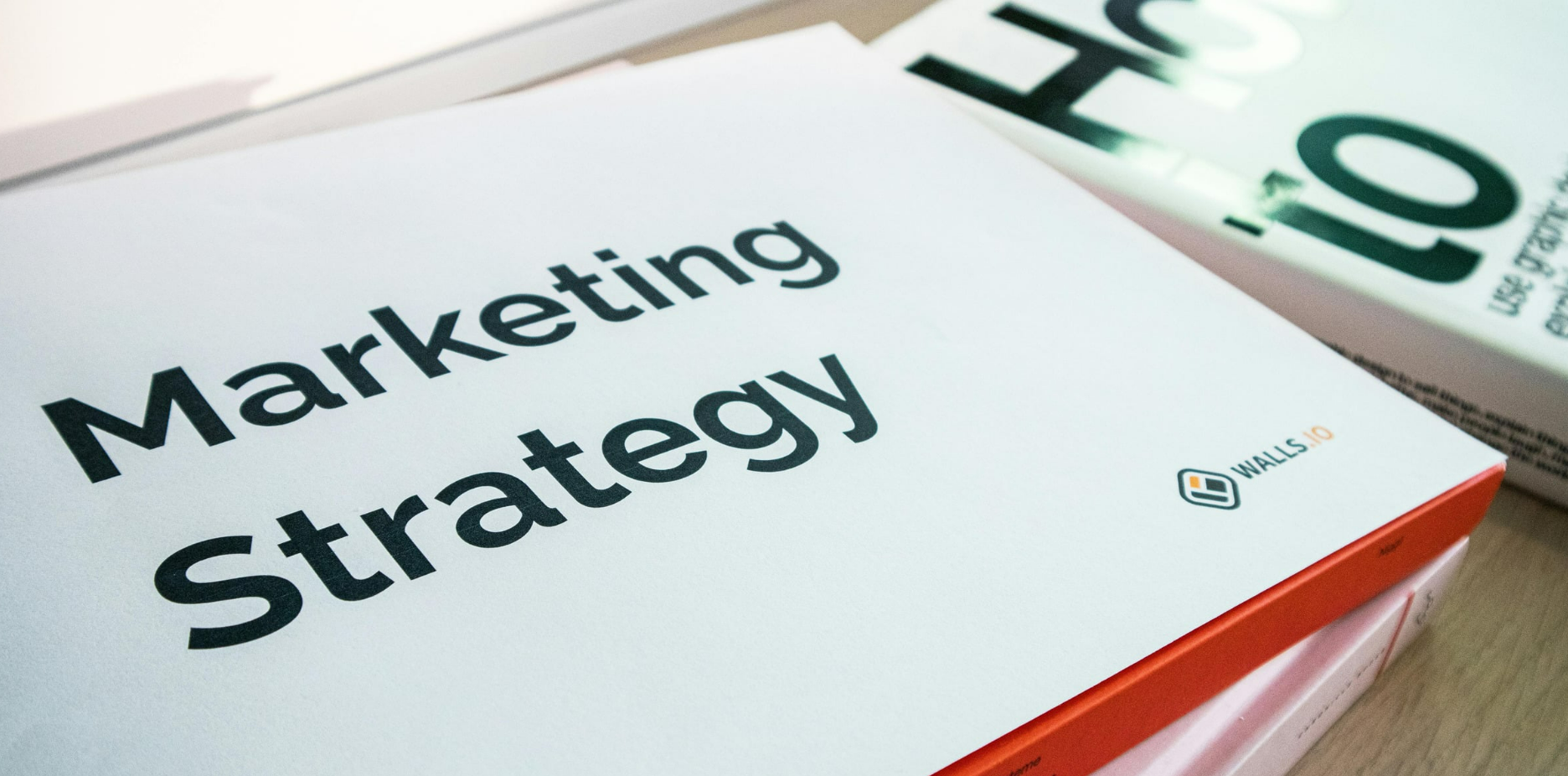
Even the most impressive event won't succeed if nobody hears about it.
Marketing should be viewed as an investment rather than an expense. The amount you allocate depends on your goals, audience size, and event type, but many organisers dedicate between 10% and 20% of their total event management budget to promotion.
Paid advertising
Social media advertising remains one of the most effective channels for event promotion in 2026. Platforms such as Facebook, Instagram, LinkedIn, and TikTok allow organisers to target highly specific audiences and optimise campaigns based on ticket sales.
Organic promotion
Email marketing, partnerships, PR outreach, and social media content can help reduce advertising costs while increasing credibility and engagement.
Track results early
One of the most common budgeting mistakes is spending heavily on promotion without tracking results. Monitoring registrations and ticket sales from the start allows you to adjust your marketing strategy before overspending.
Staff and security
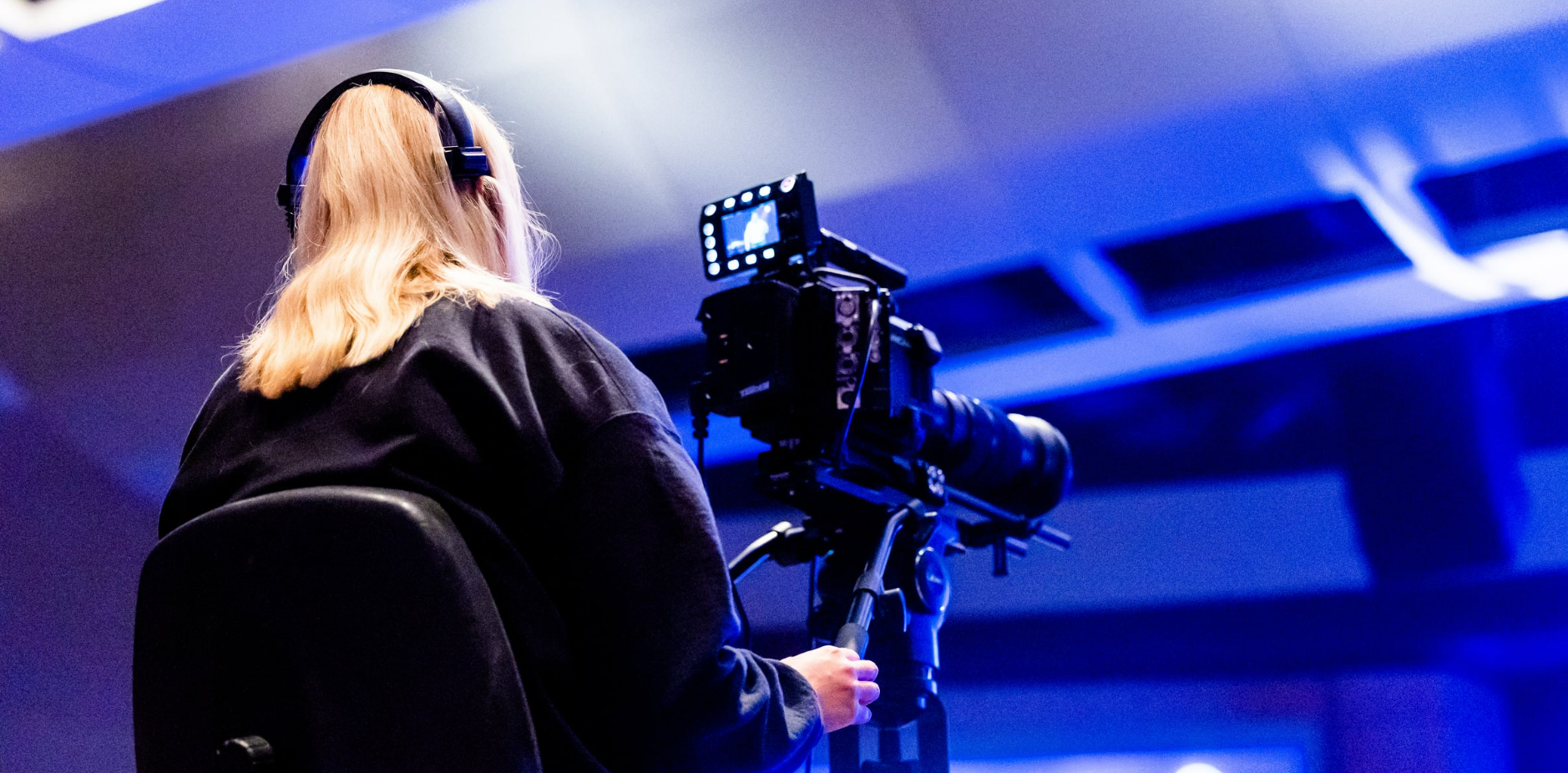
Behind every successful event is a team making everything run smoothly.
Staffing costs may include event managers, registration personnel, security staff, technical support, and cleanup crews. While these expenses can seem substantial, cutting corners here often leads to operational issues that impact the attendee experience.
Security requirements
For larger public events, local regulations may require a minimum number of security personnel. Make sure these requirements are investigated early during the planning phase to avoid last-minute costs.
Ticketing fees

When organisers ask, "How much does an event cost?", ticketing fees are often forgotten.
Yet ticketing is one of the most important operational elements of any event. Beyond payment processing, modern ticketing platforms help organisers manage registrations, collect attendee data, track sales performance, and simplify day-of check-in.
Choosing the right ticketing platform
The cheapest solution isn't always the most cost-effective. Look for a platform that helps you save time, increase ticket sales, and improve the attendee experience.
Ready to start selling tickets?
Create your event on Billetto and manage ticket sales, registrations, marketing, and attendee communication from one place.
Catering

Food and beverages often have a significant impact on attendee satisfaction.
Whether you're providing a simple coffee break or a full dining experience, catering costs can quickly increase as attendance grows. Obtaining detailed quotes based on realistic attendance forecasts is essential for maintaining budget control.
Planning for dietary requirements
Special dietary requests are increasingly common. Accounting for vegetarian, vegan, gluten-free, and allergy-friendly options from the beginning helps avoid unexpected charges later.
Equipment and AV
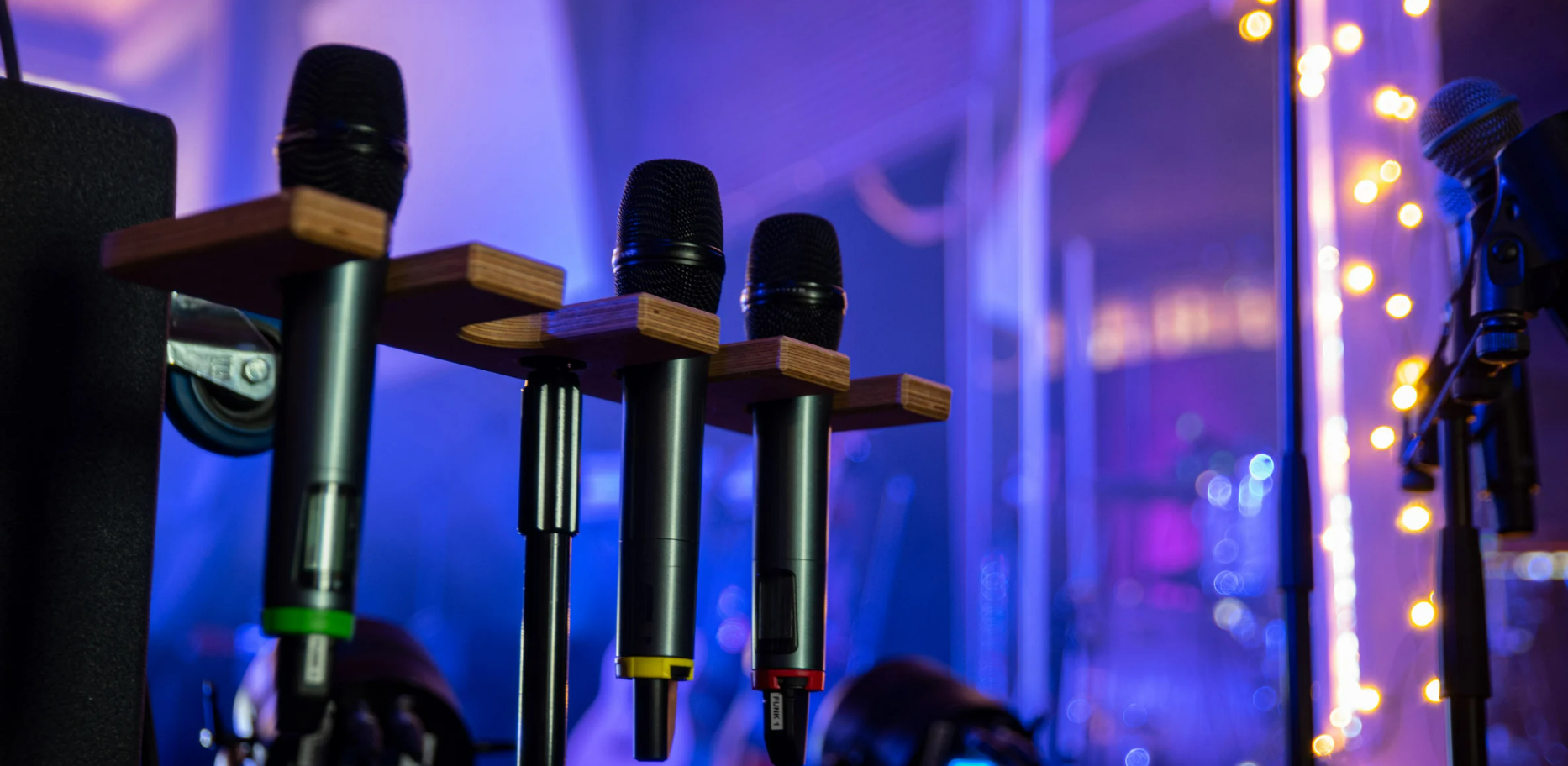
Technology has become a core part of the event experience.
From microphones and projectors to professional lighting and livestreaming equipment, technical requirements can account for a substantial portion of your overall event-planning budget.
Venue vs external suppliers
Some venues include AV equipment in their packages, while others require external suppliers. Comparing both options early can significantly reduce costs.
Insurance
Insurance is one of the least exciting line items in an event budget, but it can also be one of the most important.
Depending on your event, you may need public liability insurance, cancellation coverage, equipment insurance, or employer liability protection. While the cost is usually modest, the protection it provides can be invaluable.
Contingency budget

No event ever goes exactly according to plan.
Unexpected expenses can arise from supplier changes, additional staffing requirements, equipment failures, or last-minute marketing needs. This is why experienced organisers always include a contingency fund.
How much should you reserve?
A good benchmark is to allocate 10–15% of your total event management budget to contingencies. This provides flexibility without significantly impacting profitability.
Create an event on Billetto today and start selling tickets in minutes. With built-in ticketing, event promotion, attendee management, and reporting tools, you'll have everything you need to run a successful event from one platform.
Final thoughts
Creating a realistic event budget isn't just about controlling costs; it's about building a foundation for a successful event.
By accounting for all major event costs, from venue hire and marketing to ticketing and insurance, you'll make better decisions, reduce financial risk, and create a better experience for your attendees.
The earlier you create your event budget, the easier it becomes to plan with confidence and focus on delivering an unforgettable event.